
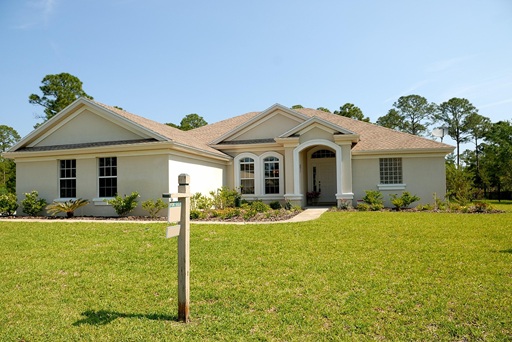
If you want to build a home in Canada, a construction mortgage gives you staged financing that pays for the project as it progresses rather than a single lump-sum loan. A construction mortgage Canada covers the cost of building or major structural renovations by releasing funds in draws tied to construction milestones, so you only pay interest on amounts already disbursed.
You’ll learn how lenders assess plans, budgets, and builders, what documentation and down payment you’ll need, and how draw schedules and inspections keep your project on track. This article walks through the practical steps, lender expectations, and common pitfalls so you can plan financing with confidence and avoid costly delays.
Understanding Construction Mortgages in Canada
You’ll learn what a construction mortgage finances, the common loan structures, how disbursements and interest work during a build, and the basic eligibility criteria lenders use in Canada.
What Is a Construction Mortgage?
A construction mortgage is short-term financing that covers the cost of building or substantially renovating a home.
It typically replaces a conventional mortgage during the build and converts to a standard mortgage once construction finishes.
These loans fund hard costs (materials, labour) and sometimes soft costs (permits, architect fees).
Lenders expect a detailed construction budget, a construction timeline, and qualified contractors before approving funds.
You often need a higher down payment than for a resale purchase, since lenders view construction as higher risk.
Payments are commonly interest-only during the build, then amortized into regular mortgage payments after completion.
Types of Construction Mortgages
Lenders offer several structures; the right one depends on your project and cash flow.
- Construction-to-permanent (single-close): One application and one closing. Funds convert to a regular mortgage when the house is complete.
- Two-close model: Separate construction loan and permanent mortgage, requiring two approvals and closings.
- Renovation construction loans: For major remodels or adding a legal suite; often smaller amounts and different underwriting.
You’ll also see fixed-rate vs variable-rate choices for the permanent mortgage portion.
Some lenders structure progress draws with interest-only payments; others charge interest on the full approved amount once disbursed.
How Construction Mortgages Work
Lenders release funds in progress draws keyed to construction milestones.
Typical draw schedule: foundation, framing, mechanicals, exterior, and completion.
A third-party inspector or the lender’s appraiser usually inspects at each draw stage to confirm work before releasing money.
Interest accrues only on amounts disbursed, so your interest cost during the build depends on draw timing and size.
You generally make interest-only payments during construction; principal repayment starts after the loan converts.
If the loan converts to a permanent mortgage automatically, the single-close option avoids a second appraisal and closing cost.
Eligibility Requirements in Canada
Lenders assess income, credit score, assets, and the value of finished property, not just land.
You must supply a detailed construction contract, builder credentials, and a validated cost breakdown.
Typical down payments run higher than resale mortgages — often 20% or more — depending on lender risk appetite and whether you own the land already.
Some lenders also require contingency reserves (5–20% of budget) to cover cost overruns.
You must meet standard mortgage criteria: stable income, acceptable debt-service ratios, and credit history.
Working with a mortgage broker experienced in construction financing can help match you to lenders that handle builds in your province.
Process and Requirements for Canadian Construction Mortgages
You’ll need a clear budget, a qualified builder, and staged financing tied to construction milestones. Expect stricter documentation and multiple inspections compared with a standard mortgage.
Step-by-Step Application Process
Start by choosing a lender experienced with construction mortgages; many major banks and specialty lenders offer progress-draw or completion mortgages. Apply with a detailed cost breakdown and a fixed-price contract from a licensed builder. The lender reviews land value (if you own the lot), builder qualifications, permits, plans, and a construction schedule before pre-approving financing.
Once approved, the lender issues funds in stages (draws) as work completes. You’ll typically move from a short-term construction loan to a conventional mortgage once the home is finished and final appraisal and occupancy permits are provided. Budget time for lender inspections and possible holdbacks.
Down Payment and Financing Structure
Your down payment depends on whether you own the lot and the mortgage type. If you own the land outright, lenders may allow a smaller cash down payment—often 5–20% of the completed value. If you’re buying the lot with construction financing, expect 20% or more upfront and different amortization rules.
Construction mortgages usually take one of two forms: a progress-draw (funds released in stages during build) or a completion mortgage (short-term financing converted to a permanent mortgage at closing). Interest during construction commonly accrues only on amounts drawn, not the full approved loan, so track draws and interest costs carefully.
Required Documentation
Provide a fixed-price contract or detailed cost-plus contract signed by you and the builder. Include architectural plans, municipal building permits, a construction schedule with milestone dates, and a detailed budget or cost estimate breaking out labour, materials, and subcontractors.
Submit personal financials: recent pay stubs, tax returns, bank statements, and proof of down payment source. Lenders also require builder documentation: proof of licensing, insurance, references, and a portfolio of completed projects. Expect the lender to order an appraisal based on completed-value projections.
Inspections and Draw Schedules
Lenders require inspections at predefined milestones—commonly foundation, framing, mechanicals, and completion. An inspector or appraiser verifies work before releasing each draw. You or your builder must submit invoices and lien waivers for completed work to clear funds.
Draw schedules should list percentage or dollar amounts tied to each milestone and include a final holdback (often 10%) until occupancy permit and final appraisal are provided. Plan for inspection timing and potential delays; missed milestones can pause draws and increase carrying costs, so maintain clear communication with your lender and builder.
Author

admin@winpazes.com
Related Posts

labubu Doll | labubu Official Store Overview
Welcome to the enchanting world of labubu dolls, where whimsy meets artistry and each doll tells a story. Labubu has captured the...
Read out all
Lbubu Lalka | Lbubu Official Store Overview
Welcome to the fascinating world of Lbubu Lalka, where creativity and quality come together in a delightful array of products. If you’re...
Read out all
Why You Should Check Out Corteiz Clothing
Corteiz Clothing has taken the streetwear scene by storm, blending style with comfort in a way that resonates with fashion enthusiasts everywhere....
Read out allTier Cakes for Big Birthday Celebrations: When to Go Multi-Layer and Why It Matters
Tiered Birthday Cakes symbolize grandeur, stacking layers for jaw-dropping impact. Indian families send cake online these for 50th milestones or lavish bashes....
Read out all
How to Order from the Corteiz Clothing Online Official Store
Welcome to the world of Corteiz Clothing, where style meets comfort in the most trendy way possible. If you’ve been eyeing those...
Read out allTop 10 IOS App Development Companies in UAE Accelerating Digital Transformation – DXB APPS
The digital economy in Dubai and UAE is expanding at an extraordinary pace. Businesses are rapidly investing in advanced mobile technologies to...
Read out all