
A peaceful patio offers comfort, conversation, and relaxation throughout warm afternoons and quiet evenings. However, unexpected visits from bees exploring cushions, tables, and shaded corners can disrupt that tranquility quickly. Although these pollinators play a vital ecological role, homeowners often prefer maintaining clear seating areas. Discouraging exploration requires strategic prevention rather than harmful deterrence methods that threaten environmental balance. By combining environmental awareness with thoughtful maintenance, patios can remain welcoming while respecting nearby wildlife.
Before implementing prevention techniques, it is essential to understand why bees approach patio spaces initially. Outdoor furniture often retains heat, providing warmth during cooler mornings or seasonal transitions. Additionally, wooden frames and woven materials resemble natural cavities found in trees. These similarities occasionally attract curious pollinators searching for potential shelter.
Food residue represents another significant factor influencing insect activity around seating areas. Sweet beverages, fruit remnants, or spilled sauces emit scents detectable from considerable distances. Even subtle sugar traces can attract exploratory behavior during active foraging seasons. Therefore, maintaining cleanliness directly reduces the likelihood of repeated visits.
Floral landscaping near patios also contributes to increased activity naturally. Bright blossoms positioned close to furniture create convenient feeding zones. When nectar sources surround seating arrangements, incidental investigation becomes more frequent. Recognizing these environmental triggers provides a foundation for humane prevention strategies.
Practical Cleaning and Maintenance Strategies
Consistent sanitation remains one of the most effective ways to reduce attraction naturally. After outdoor gatherings, wipe surfaces thoroughly with mild, unscented cleaning solutions. Avoid heavily fragranced products that may mimic floral aromas inadvertently. Neutral scents maintain cleanliness without drawing unnecessary curiosity.
Cushion storage practices also influence exploration patterns significantly. When not in use, store soft furnishings inside sealed containers or indoor closets. Fabric absorbs food particles and moisture easily, increasing appeal over time. Regular laundering prevents buildup that might encourage investigative behavior.
Inspect furniture joints and hollow frames carefully throughout each season. Small openings can resemble protective cavities suitable for temporary nesting attempts. Sealing cracks with weather-resistant materials minimizes potential shelter opportunities effectively. Proactive maintenance discourages prolonged interest in structural gaps.
Moreover, repositioning furniture occasionally can disrupt emerging exploration routines. Rotating seating layouts reduces predictable patterns that insects might revisit. While subtle, this adjustment reinforces environmental unpredictability successfully. Combined with sanitation, structural upkeep forms a comprehensive prevention framework.
Landscaping Adjustments That Support Balanced Coexistence
Landscape design significantly shapes pollinator traffic near living spaces. Planting vibrant flowers several meters away from patios encourages activity at a distance. This strategic spacing maintains ecological support while preserving seating comfort. Bees remain nourished without frequent interaction near furniture. Ground cover management also plays a preventative role within patio environments. Remove fallen blossoms and overripe fruit promptly from surrounding areas. Decaying plant material emits aromas that attract insects seeking nourishment. Regular garden maintenance reduces incidental congregation substantially.
Water sources represent another overlooked factor influencing exploration tendencies. Dripping hoses, birdbaths, or decorative fountains supply hydration during warm months. While beneficial for wildlife, proximity to seating areas increases activity density. Relocating water features farther from furniture encourages natural movement elsewhere.
In situations where exploratory behavior persists despite preventive measures, homeowners may consult specialists. For example, contacting Nashville bee relocation service can provide expert assessment and humane redirection strategies. Professionals evaluate habitat conditions carefully and recommend balanced solutions aligned with environmental preservation principles. Such guidance ensures property protection while respecting ecological responsibilities fully.
Seasonal Awareness and Early Intervention
Timing influences prevention success significantly throughout the year. Spring and early summer typically bring heightened exploration and swarming activity. Increased vigilance during these months allows swift response before patterns establish firmly. Early detection remains crucial for minimizing potential nesting attempts. Listen for consistent buzzing concentrated around specific furniture sections. Visual observation of repeated landing spots indicates growing interest. Addressing these signs promptly prevents escalation into more permanent occupation. Gentle redirection methods prove most effective during initial exploratory phases.
During cooler seasons, interest naturally decreases as floral resources decline. However, maintaining cleanliness and structural integrity remains essential year-round. Preventive habits developed during peak months support consistent results continuously. Vigilance should become routine rather than reactive.
Additionally, educating household members about calm responses reduces risk during encounters. Avoid sudden movements or attempts to swat approaching insects. Remaining composed minimizes defensive reactions and maintains safety effectively. Respectful awareness strengthens coexistence without unnecessary conflict.
Creating a Patio Environment That Naturally Discourages Bees
Thoughtful environmental design ultimately offers the most sustainable prevention strategy available. Choose furniture materials with smooth surfaces that lack deep crevices. Metal or treated hardwood frames reduce resemblance to natural nesting cavities. Simplicity in construction discourages prolonged exploration. Opt for cushion fabrics in neutral tones without strong floral prints. Bright botanical patterns occasionally mimic visual cues associated with nectar sources. Subdued designs reduce curiosity driven by color attraction subtly. Combined with sanitation, aesthetic restraint enhances deterrence gently.
Air circulation also influences comfort for both humans and wildlife. Portable fans create light breezes that make landing less appealing. While harmless, consistent airflow disrupts hovering behavior effectively. This simple measure enhances patio enjoyment significantly. Moreover, mindful scheduling of outdoor meals reduces residual scent exposure. Promptly clearing dishes and wiping tables prevents lingering attractants. Conscious hosting habits strengthen preventive efforts seamlessly. Routine discipline preserves both ambiance and ecological respect.
Ultimately, discouraging bees from exploring patio furniture depends on prevention rather than elimination. Cleanliness, structural maintenance, landscaping adjustments, and seasonal awareness operate collectively. Each component contributes to an environment that feels uninviting for nesting yet remains hospitable for people.
Author

lyramarigold06@gmail.com
Related Posts

Top Benefits of CCTV Cameras for Small Businesses
Running a small business comes with excitement and ambition, but it also brings a quiet weight of responsibility. Every day, I walked...
Read out all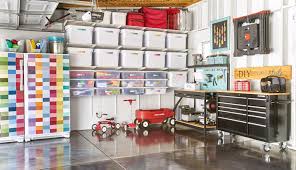
Large Storage Trunks for Tidy Homes and Stylish Hidden Organisation
Large storage trunks are a smart way to hide clutter while adding a stylish furniture feature to your home. They give you...
Read out all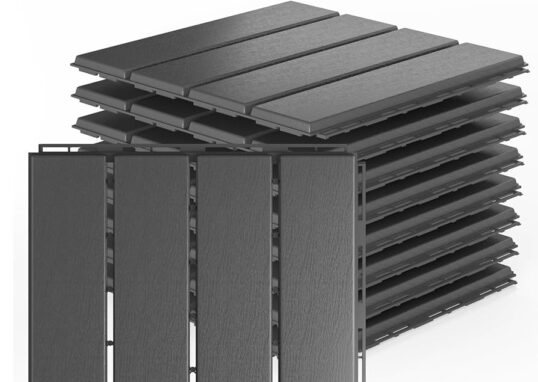
Composite Decking Tiles for Quick Garden Renovations
Long construction schedules, intricate installations, or significant structural alterations are no longer necessary for garden makeovers. It’s time to give your garden...
Read out allHow to Find Reliable Kitchen Contractors Fast
A kitchen emergency feels stressful. Water leaks under the sink. Cabinets feel soft. Wood begins to swell. Doors stop closing. Sometimes there...
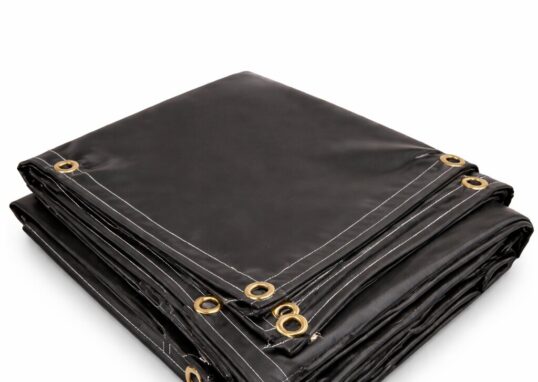
Heavy Duty Tarpaulin Sheets for Demanding Conditions
Heavy-duty tarpaulin sheets are strong covers that will help in safeguarding your items and materials. In terms of thickness and strength, Heavy...
Read out all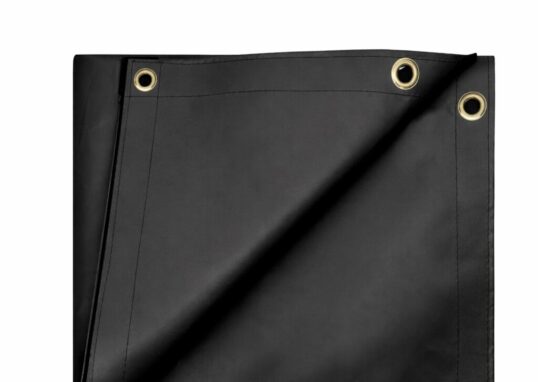
Plastic Tarpaulins for Everyday Outdoor Protection
Even though plastic tarpaulins are simple sheets, they do a big job. We use them daily to protect objects against rain, sunlight,...
Read out all