
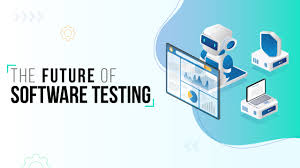
Software testing is no longer just a final step before deployment. It has evolved into a continuous, integrated process that plays a critical role throughout the entire software development lifecycle. In today’s fast-paced digital landscape, users demand applications that are secure, reliable, responsive, and available across multiple devices. Delivering such high standards requires a smarter and more proactive approach to Quality Assurance (QA).
As businesses undergo rapid digital transformation, the QA domain is being reshaped by automation, artificial intelligence, DevOps culture, cloud ecosystems, and data-centric strategies. Individuals seeking to enter this expanding field often pursue a Software Testing Course in Chennai to gain practical exposure and industry-relevant skills that align with modern testing practices.
From Traditional Testing to Continuous Quality Engineering
In earlier development models, testing was performed only after coding was completed. This often resulted in late defect discovery, increased rework, and delayed product launches. This strategy has been drastically altered by contemporary software approaches like Agile and DevOps.
Today, quality is embedded from the earliest stages of development. The “Shift-Left” approach ensures testing begins during requirement analysis and design, helping teams prevent defects instead of simply detecting them. On the other hand, “Shift-Right” practices emphasize monitoring applications in live environments to gather performance insights and real user feedback.
By combining these approaches, organizations ensure quality is maintained throughout the entire lifecycle rather than treated as a final checkpoint.
The Impact of Artificial Intelligence on Testing
Artificial Intelligence and Machine Learning are bringing intelligence and adaptability into the QA ecosystem. Advanced testing tools can now evaluate code changes, identify vulnerable components, and automatically generate relevant test scenarios.
A significant innovation in this space is self-healing automation. Instead of failing when minor interface changes occur, intelligent scripts can adjust dynamically, reducing maintenance efforts and improving efficiency.
AI also enhances visual validation by identifying layout shifts and design inconsistencies that might otherwise go unnoticed. As AI technology continues to mature, testing processes will become faster, smarter, and more predictive.
Automation and the Era of Hyperautomation
Automation has become a necessity rather than a luxury in modern software development. Manual testing is no longer practicable when development cycles shorten and releases become more frequent.
Automated frameworks execute repetitive tasks efficiently and consistently across multiple environments. Hyperautomation takes this further by integrating automation tools with analytics, AI capabilities, and robotic process automation to streamline end-to-end testing workflows.
Professionals who want to master browser-based automation and framework development often choose Selenium Training in Chennai to strengthen their expertise in building reliable automation solutions.
DevOps Integration and Continuous Testing
DevOps has redefined collaboration between development and operations teams, and QA plays a central role in this transformation. Continuous Integration and Continuous Delivery pipelines enable rapid code deployments, sometimes multiple times a day.
In such environments, continuous testing becomes essential. Every code change initiates automated tests, guaranteeing early fault identification and quicker feedback cycles. This approach minimizes risk while maintaining release speed.
In the future, QA professionals will focus on designing intelligent, automated testing strategies that align seamlessly with DevOps workflows.
Performance Engineering as a Proactive Strategy
Modern applications must support large user bases and handle unpredictable workloads. Traditional performance testing conducted just before release is no longer sufficient.
Performance engineering emphasizes designing scalable and resilient systems from the beginning. Real-time monitoring and predictive analysis tools help teams identify potential bottlenecks and optimize system efficiency continuously.
As digital platforms expand globally, ensuring consistent speed and reliability across different regions will remain a top priority.
Security as a Core Testing Responsibility
With cyber threats growing in sophistication, security testing has become a fundamental component of QA. Protecting sensitive user data and ensuring regulatory compliance are no longer optional tasks.
Security practices are now embedded early within development cycles through DevSecOps methodologies. Automated vulnerability detection, penetration testing, and compliance verification tools are integrated directly into development pipelines.
Future QA professionals must possess strong security awareness to safeguard applications against evolving threats.
Cloud and Multi-Platform Testing Environments
Cloud computing has transformed testing infrastructure. Instead of maintaining physical devices and servers, teams now leverage cloud platforms to access scalable testing environments. Professionals looking to understand this evolving ecosystem often enroll in a Cloud Computing Course in Chennai to gain practical exposure to virtual environments, deployment models, and cloud testing strategies.
Cloud-based testing supports parallel execution across numerous browsers, devices, and operating systems. In a world where users access applications via smartphones, tablets, desktops, and smart devices, cross-platform compatibility is essential.
As technology ecosystems diversify, ensuring consistent user experiences across platforms will remain a major challenge and opportunity for QA teams.
Human Expertise in an Automated World
Despite rapid technological advancements, human insight remains invaluable. Automation can handle repetitive and data-driven tasks, but creativity, intuition, and critical thinking are uniquely human strengths.
Exploratory testing, usability analysis, and user-experience validation depend heavily on analytical reasoning and empathy. The QA professional of tomorrow must blend technical knowledge with strong communication and collaboration skills.
Automation does not replace testers; it empowers them to focus on strategic and high-value activities.
The software testing landscape is undergoing rapid transformation. Intelligent automation, AI-driven tools, DevOps integration, cloud infrastructure, performance engineering, and proactive security practices are redefining how quality is achieved.
Quality Assurance is no longer confined to identifying bugs it plays a strategic role in shaping user experience, protecting data, and ensuring business continuity. As technology continues to evolve, QA professionals who embrace continuous learning and adapt to emerging innovations will thrive in this dynamic environment.
The future of software testing is not just about keeping pace with change it is about leading it.
Author

lyramarigold06@gmail.com
Related Posts

SAT Score to Prepare for Ivy League Admissions
The SAT, administered by the College Board, is a common admissions requirement for colleges and universities. It evaluates students in two main...
Read out allHow Memoir Writing Services Turn Personal History Into a Powerful Legacy
You carry stories that shaped your life. Some moments changed your direction. Others tested your character. A memoir captures those truths with...
Read out allWhy Wikipedia Editing Services Are Essential for Accurate Digital Representation
Your Wikipedia page speaks before you do. It often ranks above your website. Reporters quote it. Clients review it. Investors scan it...
Read out allUnlocking Business Potential with Artificial Intelligence
Artificial Intelligence has moved beyond research labs and large technology corporations. It is now a practical and accessible solution that businesses of...
How does Python manage memory?
Memory management is one of those topics many Python learners quietly struggle with. You write code, it runs, and things seem fine...
Read out all
What Indian Students Need to Know About UK Universities with January Intake Undergraduate 2027?
Hey, if you’re an Indian student (or parent) right now thinking about starting your undergraduate degree in the UK in early 2027...