

Your deck should be safe, stable, and ready for use — and you can make that happen without replacing the whole structure. Addressing common issues like loose boards, rot, and unstable railings quickly saves you money and prevents bigger, dangerous failures down the line. You’ll learn which repairs are urgent, which you can tackle yourself, and when to call a pro.
This post deck repairs walks through the essential fixes that restore function and curb appeal, then shows simple maintenance steps to keep problems from coming back. Follow along to spot trouble early, prioritize repairs, and extend the life of your outdoor space.
Essential Deck Repairs
You need to know how to spot structural hazards, stop wood decay, replace boards safely, and secure railings and stairs. Addressing these items promptly preserves safety and extends the life of your deck.
Identifying Common Deck Issues
Walk the deck repair at eye level and on your knees to inspect fasteners, boards, railings, and stairs. Look for soft spots when you press with a screwdriver or boot; soft wood usually indicates rot.
Check for movement: wobbling rail posts, loose balusters, or stairs that shift under weight are immediate safety concerns.
Examine fasteners and connectors for rust or corrosion. Screws that spin, split boards around nails, or missing ledger flashings can compromise structural connections.
Measure gaps and deflection. Excessive spring or sag between joists shows joist failure or undersized spans. Track water pooling and drainage patterns—standing water accelerates decay.
Document problem areas with photos and notes before you start repairs to prioritize tasks and materials.
Wood Rot and Decay Solutions
Identify the rot type: surface rot (soft, shallow) versus advanced decay (deep, crumbly, discoloration). Remove only the rotted wood plus a small margin of sound wood to ensure you reach solid material.
For small areas, use epoxy consolidants and fillers formulated for exterior use—apply to dry, cleaned wood, then sand and seal. For joists or load-bearing members with extensive rot, replace the member rather than filling.
Prevent recurrence by improving drainage and ventilation. Add flashing at the ledger, maintain a 1/8–1/4″ gap between boards for drainage, and ensure joist cavities get airflow.
Treat exposed cut ends or repair cuts with a preservative. Use pressure-treated lumber or naturally rot-resistant species (e.g., cedar, redwood) for replacements.
Replacing Damaged Deck Boards
Remove damaged boards by cutting out the board mid-span and prying up fasteners to avoid further splitting. Match replacement material—same species, thickness, and board width—to maintain uniform load behavior and appearance.
Fasten with corrosion-resistant screws sized to penetrate at least 1–1/4″ into the supporting joist. Pre-drill where splitting is possible. Stagger end joints over joists and leave recommended expansion gaps at ends and between boards.
If using composite boards, follow manufacturer recommendations for clip spacing and end gaps; composite expands more than wood. Sand any replacement edges flush, then apply finish or stain to cut ends to protect the wood.
Check decking plan for hidden issues like undermined joists; replace or sister joists before boarding if joists show damage.
Fixing Loose Railings and Stairs
Test each railing by applying firm lateral force at several heights and noting movement. Tighten existing hardware if connections are sound, using through-bolts or structural screws rather than short nails.
For loose posts, remove trim to access the post base. If the post is set in a deteriorated base, cut below the rot and splice in a new segment or install a steel bracket anchored to the joist or rim joist.
Inspect stair stringers for cracked or split areas near fastener locations. Replace a cracked stringer; reinforce with sistering if damage is limited to a small section. Secure treads with two fasteners per joist: one at the outside and one at the inner stringer.
Always use outdoor-rated fasteners and connectors. After repairs, re-check alignment and plumb, then seal exposed cuts and apply paint or stain to match and protect the repair.
Deck Maintenance and Prevention
You should focus on keeping water out, reinforcing load-bearing elements, and inspecting connections and fasteners regularly. Routine care saves money and prevents safety hazards.
Waterproofing and Sealing Techniques
Apply a high-quality penetrating oil or semi-transparent stain every 1–3 years for softwoods like cedar or redwood; use a film-forming sealer or deck stain for pressure-treated lumber if you want more UV protection. Clean the surface first with a deck cleaner and a stiff brush or pressure washer at low pressure (1000–1500 psi) to remove dirt, mildew, and old finish.
Use a water-repellent preservative on end grains and cut boards to reduce swelling and splitting. For composite decking, follow the manufacturer’s cleaner and avoid oil-based sealers that can create slippery residues. Always test a small area for adhesion and color change before full application.
Apply coatings on dry days above 50°F and allow 24–48 hours of dry weather after application. Use a roller or brush for even coverage and back-roll to work the product into cracks. Keep cans tightly closed and store leftover product for touch-ups.
Preventing Structural Deterioration
Keep joists, beams, and ledger boards clear of soil and plant debris; maintain at least 6 inches of clearance between the deck framing and ground where possible. Ensure proper flashing where the ledger meets the house; replace warped or rotted flashing immediately to stop water intrusion.
Use hot-dipped galvanized or stainless-steel fasteners and connectors in coastal or high-humidity areas to prevent corrosion. Replace any split or soft joists and sister new lumber to damaged members when you find localized decay. Avoid burying posts in concrete without proper post-base hardware—use adjustable steel post bases that raise wood above the concrete.
Control drainage by grading soil away from footings, installing gutters, and using downspout extensions. Trim nearby vegetation to improve airflow and sunlight exposure; that reduces mold growth and prolongs finish life.
Inspection and Safety Tips
Inspect your deck at least twice a year—in spring and fall—and after major storms. Check for soft spots underfoot, loose boards, rail wobble, and rusted or missing fasteners. Probe suspect wood with a screwdriver to detect hidden rot.
Test railings and stairs by applying firm pressure from different angles; tighten or replace loose balusters and handrails immediately. Look for gaps at ledger attachments and confirm flashing integrity. For elevated decks, verify footings haven’t shifted and that posts remain plumb.
Keep a simple maintenance log with dates, findings, and repairs performed. Photograph problem areas so you can track progression over time and provide clear information to a contractor if professional repair becomes necessary.
Author

admin@winpazes.com
Related Posts

Top Benefits of CCTV Cameras for Small Businesses
Running a small business comes with excitement and ambition, but it also brings a quiet weight of responsibility. Every day, I walked...
Read out all
Large Storage Trunks for Tidy Homes and Stylish Hidden Organisation
Large storage trunks are a smart way to hide clutter while adding a stylish furniture feature to your home. They give you...
Read out all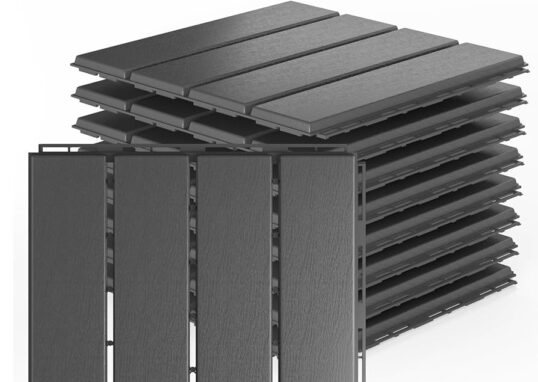
Composite Decking Tiles for Quick Garden Renovations
Long construction schedules, intricate installations, or significant structural alterations are no longer necessary for garden makeovers. It’s time to give your garden...
Read out allHow to Find Reliable Kitchen Contractors Fast
A kitchen emergency feels stressful. Water leaks under the sink. Cabinets feel soft. Wood begins to swell. Doors stop closing. Sometimes there...

Heavy Duty Tarpaulin Sheets for Demanding Conditions
Heavy-duty tarpaulin sheets are strong covers that will help in safeguarding your items and materials. In terms of thickness and strength, Heavy...
Read out all
Plastic Tarpaulins for Everyday Outdoor Protection
Even though plastic tarpaulins are simple sheets, they do a big job. We use them daily to protect objects against rain, sunlight,...
Read out all