
- 0
- 1,257 word
In today’s fast paced digital world, batteries power almost everything we use. From remote controls and wall clocks to cameras, toys, and portable speakers, reliable energy storage is essential. One of the most practical and sustainable power solutions available today is the rechargeable cell.
Unlike disposable batteries that are used once and thrown away, a rechargeable cell can be recharged and reused multiple times. This makes it both cost effective and environmentally friendly. But how exactly does a rechargeable cell work, and why is it becoming the preferred choice for households and businesses?
In this comprehensive guide, we will explore the meaning, types, working principle, advantages, applications, and maintenance tips for rechargeable cells. By the end, you will have a clear understanding of why investing in rechargeable technology is a smart decision.
What Is a Rechargeable Cell
A rechargeable cell is an energy storage device that can be charged, discharged, and recharged many times. It stores electrical energy in chemical form and converts it into electrical power when needed.
The main difference between a rechargeable cell and a disposable battery lies in its chemical reaction. In disposable batteries, the chemical reaction is irreversible. Once the chemicals are used up, the battery stops working. In contrast, rechargeable cells are designed with reversible chemical reactions, allowing them to be restored to their original state when connected to a charger.
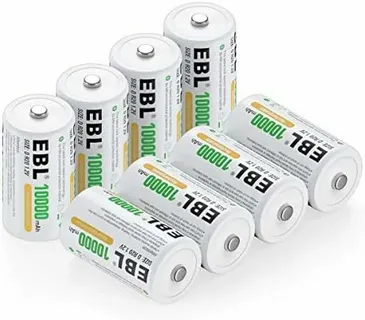
Rechargeable cells are available in various sizes such as AA, AAA, C, D, and specialized battery packs for laptops and mobile devices.
How Does a Rechargeable Cell Work
Understanding how a rechargeable cell works requires a basic look at its internal structure.
A typical rechargeable cell consists of:
-
A positive electrode
-
A negative electrode
-
An electrolyte
-
A separator
When the cell is powering a device, a chemical reaction occurs between the electrodes and the electrolyte. This reaction releases electrons, which flow through the external circuit and power the device.
When the rechargeable cell is connected to a charger, an external electrical current is applied. This reverses the chemical reaction inside the cell. The electrons are pushed back to their original position, restoring the cell’s energy storage capacity.
This reversible process allows a rechargeable cell to be used hundreds or even thousands of times, depending on the type and quality.
Types of Rechargeable Cell
There are several types of rechargeable cells available in the market. Each type has its own advantages, limitations, and common uses.
Nickel Cadmium NiCd
Nickel Cadmium cells were among the first widely used rechargeable batteries. They are durable and can handle high discharge rates. However, they suffer from a memory effect, which reduces capacity if not fully discharged before recharging. They also contain toxic cadmium, making disposal a concern.
Nickel Metal Hydride NiMH
Nickel Metal Hydride cells are an improvement over NiCd technology. They offer higher capacity and reduced memory effect. NiMH rechargeable cells are commonly used in household electronics such as cameras, toys, and flashlights.
They are more environmentally friendly compared to NiCd cells and are widely available in AA and AAA sizes.
Lithium Ion Li Ion
Lithium Ion cells are one of the most popular types of rechargeable cells today. They are lightweight, have high energy density, and do not suffer from significant memory effect. These cells are commonly found in smartphones, laptops, power banks, and electric vehicles.
Lithium Ion rechargeable cells provide longer battery life and faster charging compared to older technologies.
Lithium Polymer Li Po
Lithium Polymer cells are a variation of Lithium Ion technology. They are flexible in shape and size, making them ideal for slim devices like tablets and drones. They offer high energy density and are widely used in modern portable electronics.
Advantages of Using a Rechargeable Cell
Choosing a rechargeable cell offers several benefits compared to disposable batteries.
Cost Effectiveness
Although the initial cost of a rechargeable cell may be higher than a disposable battery, it becomes more economical over time. A single rechargeable cell can replace hundreds of disposable batteries, saving money in the long run.
Environmental Benefits
Disposable batteries contribute significantly to environmental waste. By using rechargeable cells, you reduce the number of batteries that end up in landfills. This helps lower pollution and conserve natural resources.
Consistent Performance
Rechargeable cells often provide more stable voltage output compared to disposable batteries. This ensures better performance in high drain devices such as digital cameras and gaming controllers.
Convenience
With a charger at home, you can easily recharge your cells whenever needed. There is no need for frequent trips to the store to buy new batteries.
Common Applications of Rechargeable Cell
Rechargeable cells are used in a wide range of applications across different industries and households.
Household Devices
Many everyday devices use AA or AAA rechargeable cells, including:
-
Remote controls
-
Wall clocks
-
Wireless keyboards and mice
-
Toys
-
Flashlights
Portable Electronics
Lithium based rechargeable cells power devices such as:
-
Smartphones
-
Tablets
-
Laptops
-
Power banks
-
Bluetooth speakers
Automotive and Industrial Use
Rechargeable cells are also used in:
-
Electric vehicles
-
Solar energy storage systems
-
Emergency backup power supplies
-
Medical equipment
Their ability to store and deliver power efficiently makes them suitable for both small scale and large scale energy needs.
How to Maintain a Rechargeable Cell
Proper maintenance can extend the life of your rechargeable cell and improve performance.
Use the Correct Charger
Always use a charger that is compatible with the type of rechargeable cell you own. Using the wrong charger can damage the cell or reduce its lifespan.
Avoid Overcharging
Modern chargers often have automatic shut off features, but it is still important to avoid leaving cells plugged in for extended periods unnecessarily.
Store Properly
Store rechargeable cells in a cool and dry place. Avoid exposing them to extreme heat or cold, as temperature fluctuations can affect performance.
Follow Charging Guidelines
Some rechargeable cells perform best when partially discharged before recharging, while others do not require full discharge. Follow the manufacturer’s recommendations for optimal results.
Are Rechargeable Cells Worth It
Many consumers wonder whether investing in rechargeable cells is truly worth it. The answer depends on usage.
If you frequently use battery powered devices, a rechargeable cell is definitely a smart investment. The long term savings, environmental advantages, and reliable performance outweigh the higher initial cost.
For occasional use devices, disposable batteries might seem convenient. However, even in these cases, rechargeable cells offer better sustainability and long term value.
As technology continues to improve, rechargeable cells are becoming more efficient, affordable, and widely available. This makes them an excellent choice for modern energy needs.
Future of Rechargeable Cell Technology
The future of rechargeable cell technology looks promising. Researchers are constantly working on improving energy density, charging speed, and safety.
Advancements in solid state batteries, improved lithium technologies, and alternative materials are expected to deliver longer lasting and faster charging rechargeable cells. These innovations will further expand their use in renewable energy systems and electric transportation.
As global awareness of environmental sustainability increases, the demand for rechargeable cells is likely to grow significantly.
Conclusion
A rechargeable cell is more than just a battery. It is a practical, cost effective, and environmentally responsible power solution. By allowing repeated charging and discharging cycles, it reduces waste and saves money over time.
From household devices to advanced electronics and electric vehicles, rechargeable cells play a vital role in powering modern life. Understanding how they work and how to maintain them ensures you get the maximum benefit from your investment.
If you are looking for a reliable and sustainable energy source, choosing a rechargeable cell is a smart and future ready decision.
Author

admin@winpazes.com
Related Posts
How Generative AI Chatbots Work: Architecture, Use Cases, and Future Trends
- 0
- 986 words
Generative AI chatbots are rapidly redefining how machines interact with humans—moving from rigid scripted bots to intelligent conversation partners capable of understanding...
Read out all
Secure Access Management Systems Dubai to Stop Breaches
- 0
- 961 words
Data breaches are rising across the UAE. Businesses in Dubai face daily cyber and physical security threats. Many companies still rely on...

Corteiz | Corteiz Tracksuit Official Store
- 0
- 1,077 word
Welcome to the sector of Corteiz, wherein fashion meets consolation in a unbroken combination that defines cutting-edge style. The Corteiz Tracksuit Official...
Read out all
Building Trust and Understanding with Your AI Companion
- 0
- 1,031 word
Why Trust Is the First Step in a Digital Bond Initially, when I start talking to an AI companion, everything feels new....
Read out allComplete Guide to Payroll Software Bangalore for Business
- 0
- 774 words
Bangalore, known as India’s Silicon Valley, is home to thousands of startups, IT firms, manufacturing units, and service-based companies. With rapid business...

Real-World Example of Finding Phone Number Information for Lead Generation
- 0
- 1,280 word
I was sitting in my office last week feeling pretty frustrated because my lead list was basically a graveyard of dead ends....
Read out all