
- 0
- 1,161 word
Security is a major concern for residents living in apartments and shared entry buildings. Unlike standalone houses, these properties involve multiple occupants, communal entrances, shared corridors, and sometimes underground parking areas. This structure creates unique vulnerabilities that require carefully planned intruder alarm installation. A properly designed alarm system does more than trigger a siren; it becomes part of a comprehensive security network that protects residents, property managers, and shared assets.
Modern intruder alarm installation for apartment complexes combines motion detectors, door sensors, control panels, and smart monitoring features. When integrated correctly, these systems provide early threat detection, fast alerts, and improved peace of mind for everyone in the building.
Understanding the Security Challenges in Shared Entry Buildings
Apartments and multi-tenant properties face different risks compared to detached homes. Shared access points mean more people moving in and out throughout the day. Delivery personnel, visitors, maintenance staff, and residents all use the same entrances. Without structured security measures, unauthorised individuals may gain access unnoticed.
In many shared entry buildings, security risks include:
- Tailgating through main entrances without proper authorisation
- Forced access to storage rooms, mail areas, or underground parking
These vulnerabilities highlight why intruder alarm installation must be tailored specifically for apartment environments rather than using a one-size-fits-all approach.
The Importance of Layered Protection
Layered security involves protecting the building at multiple points. Instead of relying only on a main entrance lock, a well-designed system secures perimeter doors, internal corridors, individual apartment units, and sensitive communal areas.
By installing motion sensors in hallways, door contact sensors at entry points, and glass break detectors in vulnerable areas, property managers can create a security framework that detects threats early. This layered approach ensures that even if one barrier is bypassed, another layer activates immediately.
Key Components of Intruder Alarm Installation in Apartments
A successful alarm setup depends on selecting the right components for the building’s layout. Each property differs in size, number of residents, and structural design, so professional planning is essential.
Control Panels and Smart Keypads
The control panel acts as the brain of the alarm system. In shared entry buildings, it may be located in a secure management office or utility room. Residents may also have individual control units within their apartments to manage their personal alarm zones.
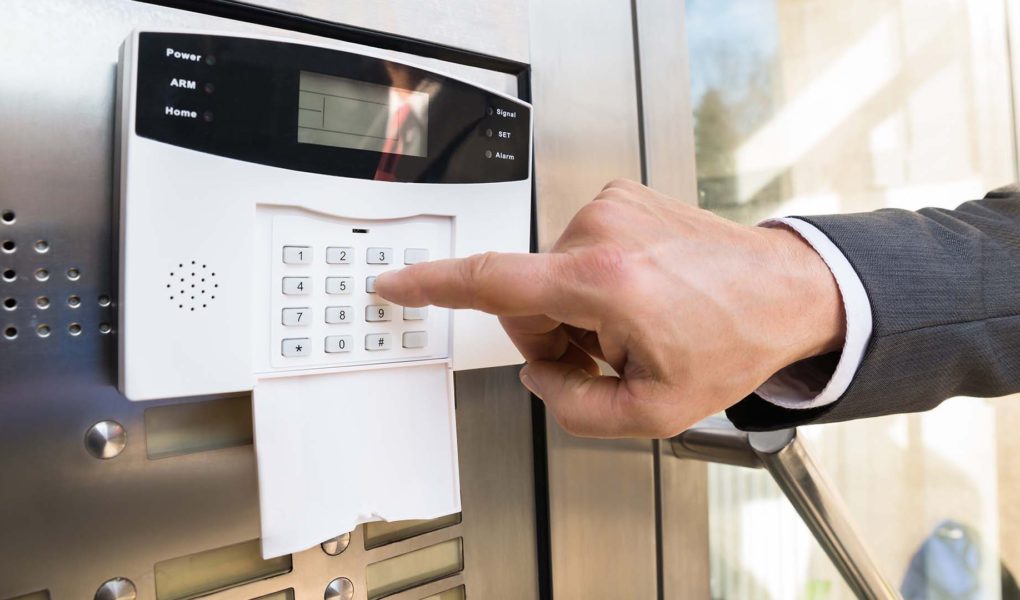
Smart keypads and mobile app integration allow residents to arm and disarm their systems conveniently. Remote access also enables property managers to monitor system status and receive instant notifications in case of suspicious activity.
Motion Detectors and Door Sensors
Motion detectors are typically installed in communal corridors, stairwells, and parking areas. These sensors detect unusual movement after designated hours and trigger alerts if needed.
Door and window contact sensors are placed on entry points to detect forced access. When a door is opened without proper authorisation, the alarm activates immediately, deterring potential intruders.
Integration with CCTV and Access Control
Many apartment complexes combine intruder alarm installation with surveillance cameras and electronic entry systems. When the alarm is triggered, cameras can begin recording automatically, providing visual verification of the event.
Access control systems using key fobs, intercom entry panels, or digital credentials can also be linked to the alarm network. This ensures that every entry attempt is logged and, when necessary, reviewed alongside alarm data.
Benefits for Residents and Property Managers
A well-installed intruder alarm system benefits both individuals and building management. Residents feel safer knowing that communal areas are protected, and property managers gain better oversight of security incidents.
Key advantages include:
- Faster response to security breaches with instant notifications
- Reduced risk of theft, vandalism, and unauthorised access
This improved security environment can also increase property value and attract tenants who prioritise safety.
Addressing False Alarms and System Reliability
False alarms can be disruptive, especially in buildings with multiple occupants. Proper configuration and professional installation help minimise unnecessary triggers. Advanced sensors distinguish between genuine threats and harmless movements.
Pet-friendly motion detectors are useful in apartments where residents own animals. Additionally, systems can be programmed with time-based settings to adjust sensitivity during peak activity hours.
Battery backup systems ensure the alarm remains operational during power outages. Reliable intruder alarm installation includes testing procedures and regular maintenance to keep the system functioning at optimal performance.
Compliance and Data Protection Considerations
Apartment security systems must comply with local regulations and data protection requirements. When alarms are integrated with surveillance cameras, it is important to ensure that footage storage and access are managed responsibly.
Clear signage in communal areas informs residents and visitors about monitored spaces. Property managers should maintain transparent communication regarding system usage and emergency procedures.
Professional installers understand these legal considerations and design systems that meet compliance standards while protecting resident privacy.
The Installation Process for Shared Buildings
Intruder alarm installation begins with a detailed site survey. Security professionals evaluate entry points, lighting conditions, and structural layout. They identify vulnerable zones such as basement entrances, rooftop access doors, and ground-floor windows.
After assessment, a customised system design is developed. Installation includes mounting sensors, connecting wiring or configuring wireless devices, and programming the control panel. Testing follows to ensure all components communicate correctly.
Experienced providers like sahisecure volt focus on ensuring seamless integration with existing security infrastructure. Proper cable management, discreet sensor placement, and thorough system training for residents contribute to a smooth deployment.
Maintenance and Long-Term Security Planning
Installing an alarm system is only the first step. Regular inspections and software updates maintain performance and reliability. Property managers should schedule periodic testing of sensors, control panels, and backup power systems.
As buildings expand or undergo renovations, additional sensors or zones can be added to the existing network. Scalable systems allow for future upgrades without replacing the entire infrastructure.
Ongoing monitoring services can also enhance protection. With 24/7 monitoring, security professionals respond quickly to alerts and coordinate with emergency services if necessary.
Enhancing Community Confidence
Security measures influence how residents perceive their living environment. A visible and well-maintained alarm system creates a strong deterrent effect. When combined with controlled entry and surveillance solutions, it sends a clear message that the building prioritises safety.
Residents are more likely to cooperate with management policies when they understand the benefits of enhanced security. Regular communication about safety practices and alarm system functionality fosters trust and cooperation.
Conclusion
Intruder alarm installation for apartments and shared entry buildings requires careful planning, professional expertise, and a tailored approach. Unlike single-family homes, multi-tenant properties demand layered protection, coordinated response systems, and integration with access control and surveillance technology.
By implementing a comprehensive alarm solution, property managers can reduce risks, improve resident confidence, and maintain compliance with safety standards. From motion detection and door sensors to smart control panels and monitoring services, every component plays a role in safeguarding shared spaces.
A professionally designed intruder alarm system not only protects physical assets but also strengthens the sense of security within the community. With the right installation strategy and ongoing maintenance, apartments and shared entry buildings can achieve reliable and long-lasting protection for all occupants.
Author

admin@winpazes.com
Related Posts
How Generative AI Chatbots Work: Architecture, Use Cases, and Future Trends
- 0
- 986 words
Generative AI chatbots are rapidly redefining how machines interact with humans—moving from rigid scripted bots to intelligent conversation partners capable of understanding...
Read out all
Secure Access Management Systems Dubai to Stop Breaches
- 0
- 961 words
Data breaches are rising across the UAE. Businesses in Dubai face daily cyber and physical security threats. Many companies still rely on...

Corteiz | Corteiz Tracksuit Official Store
- 0
- 1,077 word
Welcome to the sector of Corteiz, wherein fashion meets consolation in a unbroken combination that defines cutting-edge style. The Corteiz Tracksuit Official...
Read out all
Building Trust and Understanding with Your AI Companion
- 0
- 1,031 word
Why Trust Is the First Step in a Digital Bond Initially, when I start talking to an AI companion, everything feels new....
Read out allComplete Guide to Payroll Software Bangalore for Business
- 0
- 774 words
Bangalore, known as India’s Silicon Valley, is home to thousands of startups, IT firms, manufacturing units, and service-based companies. With rapid business...

Real-World Example of Finding Phone Number Information for Lead Generation
- 0
- 1,280 word
I was sitting in my office last week feeling pretty frustrated because my lead list was basically a graveyard of dead ends....
Read out all