
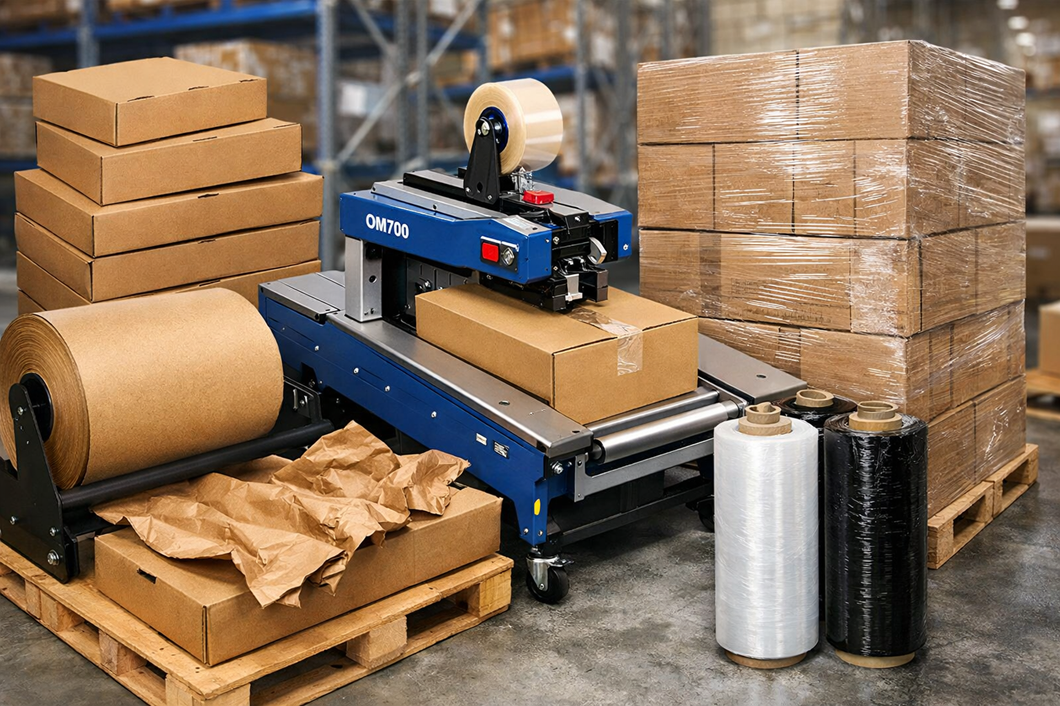
Anyone who has worked in a busy warehouse knows the pattern. Orders fly off the system, packing benches stay full, and pallets build up quickly near the loading bay. When volumes increase, pressure increases too. And under pressure, weak packaging decisions show up fast — usually in the form of damaged goods, returns, and frustrated customers.
In high-volume shipping, protection is not about adding more material. It is about using the right materials in the right way. Smart packaging choices reduce movement, strengthen loads, and create consistency across the packing line.
Why Do Products Get Damaged in Transit?
Damage rarely occurs because of a single dramatic event. It is usually the result of repeated small stresses:
- Boxes stacked too high
- Loads shifting during transport
- Poorly sealed cartons opening under pressure
- Internal movement inside the box
Over time, vibration from road freight, conveyor handling, and repeated lifting weakens poorly packed shipments. Businesses that review their packaging systems often discover that minor adjustments lead to noticeable reductions in damage claims.
Which Cartons Work Best for Flat and Lightweight Goods?
Structured Postal Boxes
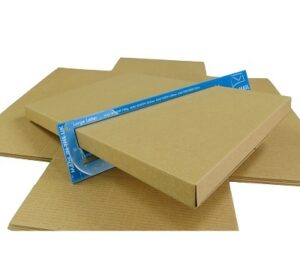
For slim products, rigid large letter boxes offer dependable protection without unnecessary bulk. They are designed to stay flat and resist bending during automated sorting and parcel handling.
These cartons are particularly useful for:
- Printed materials
- Promotional kits
- Small electronic accessories
- Subscription items
Using the correct board grade prevents corner crushing and keeps contents secure. In high-volume environments, reliability matters more than shaving off a few grams of packaging weight.
How Can Internal Cushioning Prevent Breakages?
Paper-Based Protection
One of the most common causes of damage is the presence of space inside a box. When items move, they collide with the carton walls. Over time, that movement leads to dents, scratches, or worse.
Dense kraft paper rolls provide flexible void fill that can be shaped around products. Unlike loose fillers, paper cushioning stays where it is placed. It absorbs shock and reduces internal shifting during transit.
Many packing teams prefer paper because it is:
- Easy to handle
- Recyclable
- Clean and efficient at the bench
- Suitable for a wide range of product types
Good cushioning does not mean overfilling a carton. It means securing the product so that movement is minimal.
What Keeps Palletised Shipments Stable?
Once cartons leave the packing bench and move onto pallets, the focus shifts to load stability.
Stretch Film for Containment
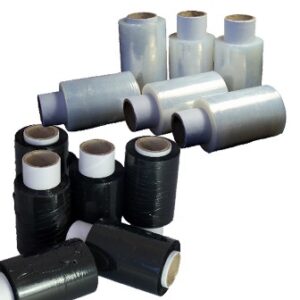
Applying pallet stretch wrap correctly creates tension that binds cartons into a secure unit. This tension helps resist vibration and side movement during transport.
In busier distribution centres, pallet wrap is used strategically — not excessively. The aim is balanced containment. Too little tension leads to shifting; too much can damage outer cartons.
Practical pallet stability tips include:
- Avoiding overhang beyond pallet edges
- Stacking evenly and keeping weight centred
- Wrapping consistently from base to top
A stable pallet reduces handling risk at every stage of the journey.
Does Sealing Make a Difference?
Consistent Carton Sealing
Carton seams are stress points. If the tape application is uneven, boxes can split when stacked. Automated equipment, such as the OM700 tape machine, helps ensure that every carton is sealed with consistent pressure and alignment.
In high-volume operations, this consistency matters. It:
- Strengthens carton structure
- Improves packing speed
- Reduces variation between shifts
- Minimises accidental openings
Manual sealing can work, but automated taping removes inconsistency — especially during peak periods.
How Do Sustainable Materials Fit into High-Volume Shipping?
There is growing pressure on businesses to reduce waste. Fortunately, sustainability and protection need not conflict.
High-quality kraft paper rolls offer recyclable cushioning without sacrificing shock absorption. Meanwhile, efficient use of pallet stretch wrap reduces excess film while maintaining load stability.
Choosing right-sized cartons also reduces void space, which lowers both material usage and movement-related damage.
Many companies find that refining packaging efficiency not only reduces environmental impact but also cuts transport costs and return rates.
What Practical Steps Help Reduce Returns?
Damage prevention is rarely about one product. It is about a system. Warehouses that see consistent improvements often focus on:
- Matching carton strength to product weight
- Using structured formats like large letter boxes for flat items
- Securing pallets with controlled tension
- Reinforcing seams consistently
- Reducing internal void space
Regular reviews of packaging methods can highlight weak points. Even small process changes — such as improving wrap technique or upgrading sealing consistency — can have a measurable impact over time.
How Should Businesses Decide What to Use?
Every operation is different. A lightweight e-commerce retailer will have different needs compared to an industrial supplier shipping heavy components.
Before choosing materials, consider:
- Product fragility
- Weight distribution
- Transport distance
- Handling frequency
- Storage conditions
Testing is often overlooked but highly valuable. Drop tests, compression checks, and load stability assessments provide practical insights before materials are rolled out across the warehouse.
Conclusion
High-volume shipping demands packaging that performs consistently under pressure. Durable cartons, controlled cushioning, stable pallet containment, and reliable sealing methods all help reduce damage in transit.
Solutions such as pallet wrap, structured cartons, protective paper, and automated taping systems are not about excess — they are about efficiency and control. When packaging is chosen carefully and applied consistently, products arrive in the condition customers expect.
In a fast-moving supply chain, that reliability makes all the difference.
Author

lyramarigold06@gmail.com
Related Posts

Australia Document Attestation Services in Dubai
What Is Australia Certificate Attestation and Why It Matters in UAE Australia certificate attestation is the legal validation process required to make...
Read out all
Transforming Digital Visibility Through Outsourcing SEO Collaboration
In the ever-evolving landscape of digital marketing, businesses are constantly seeking ways to enhance their online visibility and stay ahead of...
Read out all
The Importance of Having a Passport for International Travel
Apply for passport means officially request a passport from your country’s government so you can travel internationally. In an increasingly interconnected...
Read out allFSSAI Registration vs FSSAI License: Understanding the Difference
In India, food safety and hygiene are strictly regulated to protect consumer health. The authority responsible for monitoring and supervising food...
Read out allCost, Features, and Benefits of Building an Instacart Clone App
In recent years, the way people buy groceries has permanently changed. What was once a weekly family errand has become a digital...
Read out all
How Udyam Registration Proves Business Authenticit
In today’s fast-moving business world, proving your business is real, trustworthy, and credible is more important than ever. Whether you are a...
Read out all