
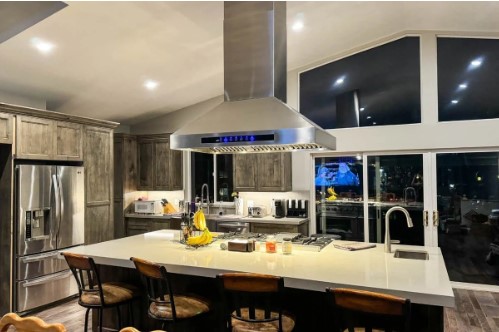
A powerful kitchen upgrade can completely transform the way your space looks, feels, and functions. Kitchen island ventilation hoods deliver professional-grade airflow while making a bold, modern statement above your cooktop. Designed for performance-driven homeowners, this style of hood improves circulation, eliminates unwanted odors, and keeps your kitchen environment cleaner during intense cooking sessions. Its wider coverage ensures that smoke, steam, and grease are captured quickly, preventing buildup on walls and cabinets. Additionally, many models feature adjustable fan speeds and energy-efficient lighting, creating a safer, more pleasant, and visually appealing cooking space. When ventilation is properly engineered, cooking becomes more enjoyable, efficient, and comfortable.
Performance and Airflow Capacity
One of the most important considerations before purchasing kitchen island ventilation hoods is their airflow capacity, measured in cubic feet per minute (CFM). Higher CFM ratings indicate stronger suction, which is critical if you frequently cook with high heat or heavy smoke.
Professional-grade ventilation systems excel at:
- Removing airborne grease particles
• Preventing lingering odors
• Lowering humidity and heat buildup
• Maintaining clean surfaces on cabinets and counters
For island configurations, proper CFM ensures balanced airflow from an open area that lacks walls to contain rising smoke.
Ducted vs. Ductless Ventilation
Understanding the difference between ducted and ductless systems helps refine your decision. Ducted ventilation systems vent air outside your home, providing the most effective smoke and odor removal. Ductless systems circulate air back into the kitchen through filters, which can be useful when exterior venting isn’t possible.
Kitchen island ventilation hoods that use outside venting typically deliver stronger performance and better long-term results. Look for systems with high-quality grease filters and easy maintenance for a continually efficient kitchen environment.
Size and Proportion Matter
The size of your island range and cooktop should directly inform the size of your ventilation hood. Undersized hoods may not capture all the rising smoke, while oversized units can overwhelm the space visually.
A good guideline is for your hood to extend at least as far as your cooktop edges. Larger islands often require hoods that deliver:
- Greater coverage area
• Wider capture range
• Consistent airflow across all burners
This ensures balanced extraction and prevents smoke from drifting toward living or dining areas.
Noise Levels and Fan Speeds
Ventilation performance should not come at the expense of comfort. Many kitchen island ventilation hoods offer multiple fan speeds so you can adjust airflow based on your cooking style. Quiet operation on low settings is ideal for everyday cooking, while higher speeds are available for heavy grilling, frying, or searing.
Low-noise performance keeps your kitchen comfortable, enhances conversational flow in open spaces, and reduces disruptions during family gatherings or entertaining.
Aesthetic Integration and Design
Kitchen island ventilation hoods often serve as a focal point above your island. Because they are visible from multiple angles, their design greatly impacts the look and feel of your kitchen. Premium models come in finishes such as stainless steel, matte black, or custom panel-ready styles that blend with cabinetry.
Choose a hood that enhances your décor while also meeting your ventilation needs. High-quality materials not only look great but also resist heat and grease over time.
Installation and Ducting Requirements
Proper installation ensures optimal performance for kitchen island ventilation hoods. Professional installation may be required, especially for ducted setups that need ceiling penetrations and precise mounting heights. The distance between the cooktop and hood should follow manufacturer guidelines for best results.
Planning ahead for electrical connections, ceiling height, and space clearance helps avoid costly revisions or underperforming installations.
Conclusion
Choosing kitchen island ventilation hoods from Proline Range Hoods is a decision that affects cooking performance, air quality, and kitchen design. Considering airflow capacity, ducting type, noise levels, and visual impact ensures that your system supports both everyday meal preparation and heavy-duty cooking. When you pair thoughtful selection with professional installation and maintenance practices, your kitchen becomes more comfortable, cleaner, and more efficient.
For homeowners seeking a perfectly balanced central kitchen ventilation solution, an island range hood 36-inch offers stylish coverage and performance that complements spacious kitchen islands while delivering the power needed for serious cooking environments.
Author

lyramarigold06@gmail.com
Related Posts

Australia Document Attestation Services in Dubai
What Is Australia Certificate Attestation and Why It Matters in UAE Australia certificate attestation is the legal validation process required to make...
Read out all
Transforming Digital Visibility Through Outsourcing SEO Collaboration
In the ever-evolving landscape of digital marketing, businesses are constantly seeking ways to enhance their online visibility and stay ahead of...
Read out all
The Importance of Having a Passport for International Travel
Apply for passport means officially request a passport from your country’s government so you can travel internationally. In an increasingly interconnected...
Read out allFSSAI Registration vs FSSAI License: Understanding the Difference
In India, food safety and hygiene are strictly regulated to protect consumer health. The authority responsible for monitoring and supervising food...
Read out allCost, Features, and Benefits of Building an Instacart Clone App
In recent years, the way people buy groceries has permanently changed. What was once a weekly family errand has become a digital...
Read out all
What Packaging Solutions Reduce Damage in High-Volume Shipping?
Anyone who has worked in a busy warehouse knows the pattern. Orders fly off the system, packing benches stay full, and pallets...
Read out all