
- 0
- 1,104 word
As urban development expands across industrial and commercial corridors, environmental safety has become a critical priority. One of the most important environmental protection strategies today is vapor mitigation Texas. From former gas stations and manufacturing sites to large commercial developments, vapor intrusion can pose serious health and financial risks if not properly addressed. In Texas—where oil, gas, petrochemical, and industrial activities have shaped much of the state’s economy—vapor mitigation is not just a regulatory requirement; it is an essential safeguard for property owners, developers, and occupants.
Understanding Vapor Intrusion
Vapor intrusion occurs when volatile chemicals in contaminated soil or groundwater evaporate and migrate upward into buildings. These vapors can enter structures through:
- Foundation cracks
- Utility penetrations
- Construction joints
- Sump pits
- Crawl spaces
Common contaminants include petroleum hydrocarbons, benzene, chlorinated solvents like trichloroethylene (TCE), and other volatile organic compounds (VOCs). Long-term exposure to these chemicals can create indoor air quality concerns and potential health risks. In a state like Texas—with its long industrial history—many redevelopment sites require professional vapor mitigation planning before construction begins.
Why Vapor Mitigation Is Critical in Texas
1. Industrial Legacy Sites
Cities such as Houston, Dallas, San Antonio, and Austin have experienced rapid growth and redevelopment. Many commercial and residential projects are built on or near former industrial properties, fuel stations, dry cleaners, and manufacturing facilities. These sites may contain residual contamination beneath the surface. Even if soil and groundwater remediation has occurred, vapor intrusion risk may remain.
2. Regulatory Requirements
The Texas Commission on Environmental Quality (TCEQ) oversees environmental compliance and remediation standards. When contamination is identified, vapor mitigation systems may be required to meet risk-based corrective action standards. Failing to address vapor risks can delay permits, financing, or occupancy approvals.
3. Real Estate and Financing Protection
Environmental due diligence is a standard part of commercial real estate transactions. Lenders and investors often require vapor intrusion assessments during Phase I and Phase II Environmental Site Assessments (ESAs).
Installing a vapor mitigation system can:
- Protect property value
- Reduce liability exposure
- Support environmental clearance
- Enable redevelopment of brownfield sites
How Vapor Mitigation Systems Work
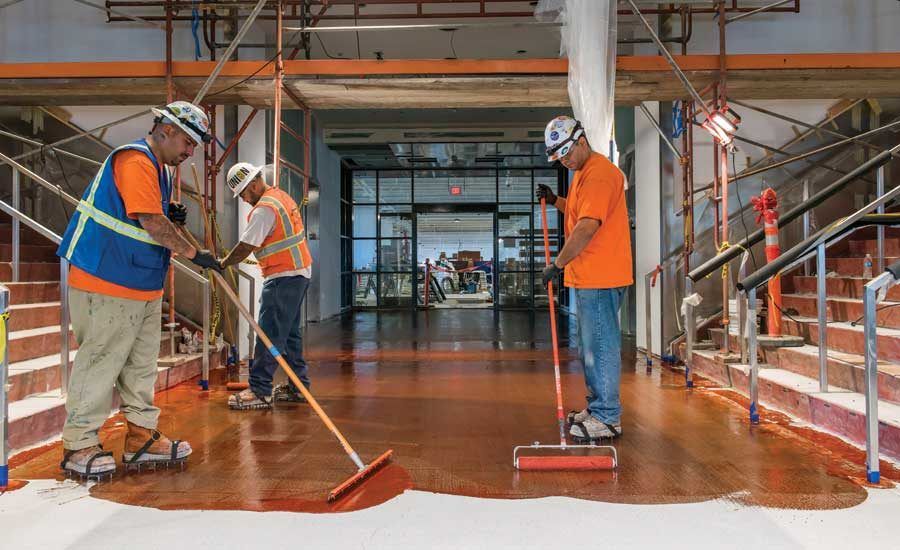
Modern vapor mitigation Texas solutions are engineered to prevent subsurface vapors from entering indoor environments. These systems are typically installed during construction but can also be retrofitted into existing buildings.
Passive Vapor Mitigation Systems
Passive systems rely on natural pressure differentials and ventilation to direct vapors away from buildings. They typically include:
- Vapor barrier membranes beneath slabs
- Vent piping
- Sealing of penetrations and cracks
Passive systems are often used when contamination levels are moderate or when regulations permit a non-mechanical solution.
Active Sub-Slab Depressurization (SSD)
Active systems are more robust and involve mechanical components such as fans to create negative pressure beneath the building slab. This method actively pulls vapors from below the foundation and vents them safely above the roofline. Active systems are commonly used for higher-risk sites or when contaminants exceed certain thresholds.
Key Components of a Vapor Mitigation System
A professionally designed vapor mitigation Texas system often includes:
- High-performance vapor barrier membrane – Prevents vapor migration.
- Sealed foundation penetrations – Stops air leakage pathways.
- Vent piping network – Channels vapors safely away.
- Inline fan (active systems) – Creates negative pressure.
- Monitoring ports – Allows post-installation verification testing.
Quality installation is critical. Even small tears in a membrane or poorly sealed penetrations can compromise system performance.
Industries That Commonly Require Vapor Mitigation
Several industries in Texas frequently require vapor mitigation services:
- Commercial real estate development
- Healthcare facilities
- Multi-family residential projects
- Schools and universities
- Retail centers
- Industrial facilities
In rapidly expanding metropolitan areas, developers often prioritize environmental risk management to streamline permitting and avoid future liabilities.
Vapor Mitigation During New Construction
Installing a vapor mitigation system during new construction is significantly more cost-effective than retrofitting later. Early planning allows engineers to:
- Integrate barrier systems into slab design
- Coordinate with structural and MEP teams
- Reduce installation disruptions
- Ensure long-term performance
Developers in Texas increasingly include vapor mitigation as a proactive risk management strategy, even when contamination levels are borderline.
Vapor Mitigation for Existing Buildings
Older buildings constructed before vapor intrusion standards were widely recognized may require retrofitting. Retrofitting can involve:
- Installing sub-slab suction points
- Adding external vent stacks
- Sealing cracks and floor-wall joints
- Implementing continuous monitoring systems
Though retrofitting may require some disruption, modern techniques allow installation with minimal impact to operations.
The Importance of Professional Assessment
Vapor mitigation is not a one-size-fits-all solution. Each property must undergo site-specific evaluation, which may include:
- Soil gas sampling
- Groundwater testing
- Indoor air quality analysis
- Risk modeling
Qualified environmental engineers design systems tailored to contaminant type, soil conditions, building use, and regulatory requirements. Professional installation ensures compliance with Texas environmental regulations and provides documentation necessary for property transactions and regulatory approvals.
Compliance and Long-Term Monitoring
After installation, post-mitigation verification testing confirms system effectiveness. Monitoring may include:
- Pressure field extension testing
- Indoor air sampling
- Routine system inspections
In some cases, long-term operation and maintenance (O&M) plans are required by regulators.
Working with experienced vapor mitigation Texas providers ensures ongoing compliance and reliable performance over time.
Benefits of Vapor Mitigation in Texas
Investing in vapor mitigation delivers multiple benefits:
Health Protection
Reduces exposure to potentially harmful chemicals.
Regulatory Compliance
Meets TCEQ and local environmental standards.
Financial Security
Protects property investments and reduces liability.
Development Acceleration
Supports smooth permitting and lender approval processes.
Environmental Responsibility
Demonstrates commitment to sustainable redevelopment.
Choosing the Right Vapor Mitigation Partner in Texas
When selecting a vapor mitigation contractor, consider:
- Experience with Texas environmental regulations
- Knowledge of TCEQ guidance and reporting standards
- Proven track record on similar sites
- Quality control procedures
- Post-installation monitoring capabilities
Texas presents unique environmental challenges due to diverse soil conditions, high groundwater tables in coastal regions, and extensive industrial history. Choosing a knowledgeable, local provider ensures systems are engineered correctly from the start.
Future of Vapor Mitigation in Texas
As Texas continues to grow, redevelopment of urban land and brownfield sites will increase. Environmental awareness and stricter regulatory oversight mean vapor mitigation will remain a critical component of responsible construction. Advances in barrier technology, monitoring sensors, and modeling software are making systems more efficient and reliable. Developers and property owners who adopt proactive vapor mitigation strategies gain a competitive advantage by reducing delays and environmental uncertainty.
Conclusion
Vapor intrusion presents real risks—but with proper engineering and compliance, it can be effectively controlled. Vapor mitigation Texas services provide essential protection for commercial, residential, and industrial properties across the state. Whether developing new construction in Houston, redeveloping a former industrial site in Dallas, or retrofitting an existing building elsewhere in Texas, investing in a professionally designed vapor mitigation system ensures long-term safety, regulatory compliance, and peace of mind.
Author

admin@winpazes.com
Related Posts

Australia Document Attestation Services in Dubai
- 0
- 900 words
What Is Australia Certificate Attestation and Why It Matters in UAE Australia certificate attestation is the legal validation process required to make...
Read out all
Transforming Digital Visibility Through Outsourcing SEO Collaboration
- 0
- 1,368 word
In the ever-evolving landscape of digital marketing, businesses are constantly seeking ways to enhance their online visibility and stay ahead of...
Read out all
The Importance of Having a Passport for International Travel
- 0
- 948 words
Apply for passport means officially request a passport from your country’s government so you can travel internationally. In an increasingly interconnected...
Read out allFSSAI Registration vs FSSAI License: Understanding the Difference
- 0
- 870 words
In India, food safety and hygiene are strictly regulated to protect consumer health. The authority responsible for monitoring and supervising food...
Read out allCost, Features, and Benefits of Building an Instacart Clone App
- 0
- 1,184 word
In recent years, the way people buy groceries has permanently changed. What was once a weekly family errand has become a digital...
Read out all
What Packaging Solutions Reduce Damage in High-Volume Shipping?
- 0
- 867 words
Anyone who has worked in a busy warehouse knows the pattern. Orders fly off the system, packing benches stay full, and pallets...
Read out all