- 0
- 715 words
Introduction
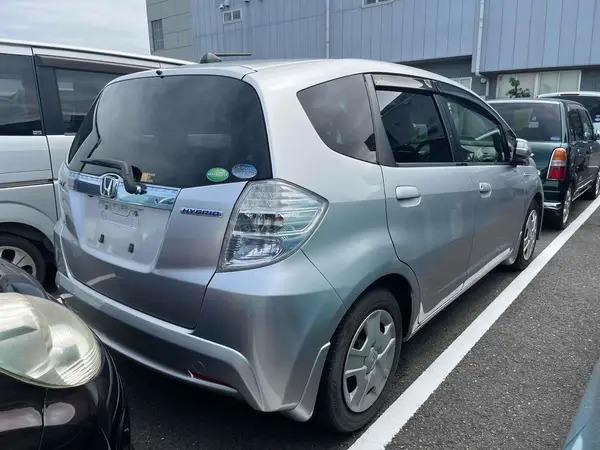
The UK car market has experienced notable shifts since Brexit. Rising costs, supply chain challenges, and changing consumer priorities have led buyers to explore alternatives. Japanese used cars have surged in popularity, offering a compelling combination of reliability, affordability, and variety. From compact city cars to high-performance models, the demand for these vehicles has grown steadily, and many industry observers see this trend continuing well into the coming years.
Changing Consumer Preferences
Post-Brexit consumers are increasingly prioritizing long-term value over brand loyalty. Many UK buyers now look for vehicles that require fewer repairs, maintain resale value, and deliver practical efficiency. Japanese used cars satisfy these preferences with consistent quality and durable engineering. This shift is further amplified by tighter household budgets and a growing desire to avoid costly surprises associated with domestic alternatives.
Exceptional Reliability of Japanese Vehicles
One of the defining characteristics of Japanese used cars is their reliability. Brands like Toyota, Honda, and Mazda have cultivated global reputations for durable engines, resilient transmissions, and minimal maintenance issues. These vehicles often surpass 200,000 miles with regular care, making them particularly appealing to buyers wary of frequent repairs or unexpected costs. In a post-Brexit landscape where domestic supply chains face volatility, this dependability has become a critical factor in purchase decisions.
Cost-Effectiveness and Depreciation
Japanese used cars provide an attractive financial proposition. Their slower depreciation rates mean buyers get more value over time. Compared with domestic brands, which can lose significant value within the first few years, Japanese vehicles maintain a higher resale price. Insurance premiums and repair costs are often lower as well, making ownership more predictable. This cost-effectiveness resonates strongly with post-Brexit consumers who are navigating an unpredictable economic environment.
Variety and Availability
Another reason for the rising popularity of Japanese used cars is the variety they offer. UK buyers have access to unique models, trims, and features that are either unavailable or limited domestically. This includes sporty variants, high-efficiency hybrids, and technologically advanced vehicles. The ability to choose from such a diverse pool makes Japanese imports appealing to buyers seeking something distinctive and reliable without compromising quality.
Impact of Brexit on Domestic Brands
Brexit has introduced tariffs, regulatory changes, and supply chain delays that affect UK car manufacturers. Parts and raw materials have become more expensive, and production timelines are less predictable. As a result, domestic vehicles often carry higher upfront costs and longer delivery times. In contrast, Japanese used cars, already produced and maintained in Japan, offer a smoother entry into the UK market, providing an alternative for buyers unwilling to endure delays or pay inflated prices.
Ease of Import and Regulatory Compliance
Importing Japanese used cars into the UK has become increasingly streamlined. Established procedures for vehicle inspections, emission certifications, and compliance checks have made it easier for buyers to import cars with confidence. Trusted intermediaries and online platforms ensure that vehicles meet UK safety and environmental standards, reducing potential barriers for first-time importers. This accessibility has contributed significantly to the growing preference for Japanese used cars over domestic models.
Technology and Fuel Efficiency
Modern Japanese vehicles often feature cutting-edge technology and fuel-efficient engines. Hybrid systems, advanced safety features, and user-friendly infotainment options make these cars attractive to environmentally conscious and tech-savvy buyers. The combination of low running costs, reduced emissions, and modern convenience adds another layer of appeal, particularly in urban areas and cities with environmental restrictions.
The Role of Japan Used Car Listings
Online platforms offering Japan used car listings have transformed the buying experience. They allow UK consumers to research, compare, and even purchase vehicles directly from Japan. Detailed histories, inspection reports, and pricing transparency provide buyers with confidence and security. This digital convenience complements the inherent benefits of Japanese used cars, making them not only a practical choice but also an easily accessible one for a broad range of buyers.
Conclusion
Japanese used cars have become a dominant choice in the UK’s post-Brexit market because they combine reliability, affordability, and variety. While domestic brands face challenges related to tariffs, production delays, and rising costs, Japanese vehicles offer a dependable, cost-effective, and technologically advanced alternative. With the convenience of Japan used car listings and the inherent advantages of these vehicles, UK consumers are increasingly turning to Japanese imports, reshaping the automotive landscape in a post-Brexit era.
Author

admin@winpazes.com
Related Posts

Australia Document Attestation Services in Dubai
- 0
- 900 words
What Is Australia Certificate Attestation and Why It Matters in UAE Australia certificate attestation is the legal validation process required to make...
Read out all
Transforming Digital Visibility Through Outsourcing SEO Collaboration
- 0
- 1,368 word
In the ever-evolving landscape of digital marketing, businesses are constantly seeking ways to enhance their online visibility and stay ahead of...
Read out all
The Importance of Having a Passport for International Travel
- 0
- 948 words
Apply for passport means officially request a passport from your country’s government so you can travel internationally. In an increasingly interconnected...
Read out allFSSAI Registration vs FSSAI License: Understanding the Difference
- 0
- 870 words
In India, food safety and hygiene are strictly regulated to protect consumer health. The authority responsible for monitoring and supervising food...
Read out allCost, Features, and Benefits of Building an Instacart Clone App
- 0
- 1,184 word
In recent years, the way people buy groceries has permanently changed. What was once a weekly family errand has become a digital...
Read out all
What Packaging Solutions Reduce Damage in High-Volume Shipping?
- 0
- 867 words
Anyone who has worked in a busy warehouse knows the pattern. Orders fly off the system, packing benches stay full, and pallets...
Read out all